



Navigating Italian Legal Matters in the U.S.: Expert Guidance
Legal issues involving Italy can be complex, especially when dealing with property rights, inheritance matters, or citizenship applications. Whether you are an Italian citizen residing …
Legal issues involving Italy can be complex, especially when dealing with property rights, inheritance matters, or citizenship applications. Whether you are an Italian citizen residing …
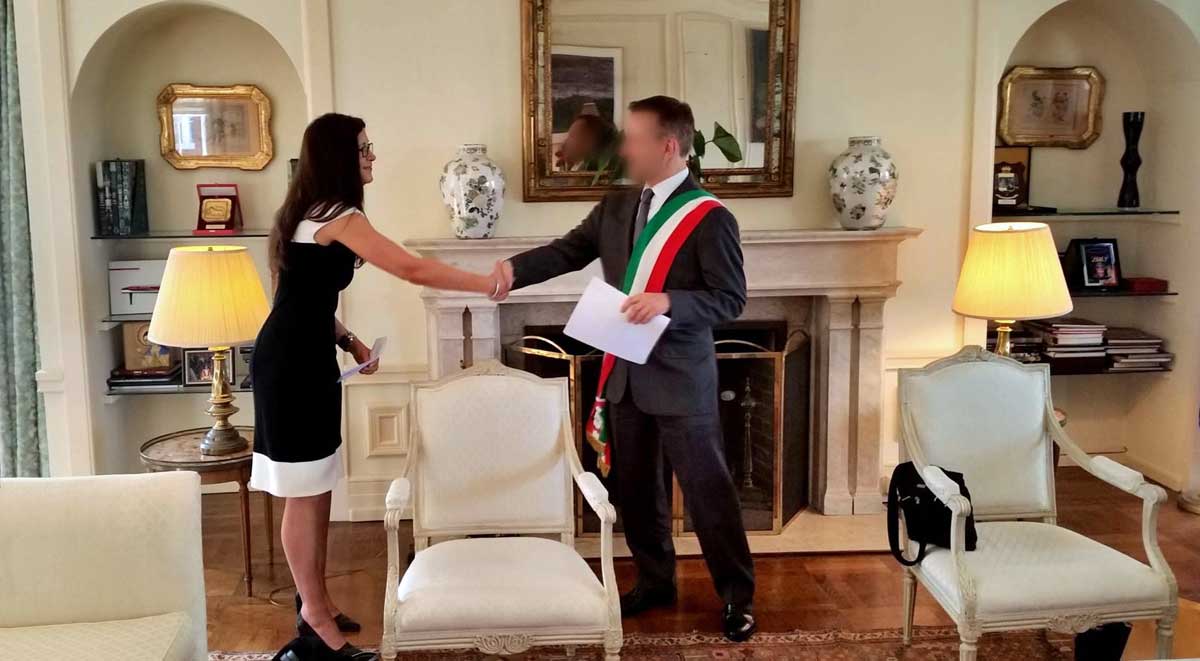
This morning on the internet and in the Italian press reports surfaced that the mayor of small Italian town, Vincenzo Tamburi, has taken some innovative …
The acronym A.I.R.E. stands for Association of Italians Residing Overseas.Founded in1988, it functions as an overseas extension of the Office of Vital Records (l’Ufficio Anagrafe) …
For the last several months, I have presented certain basic information on inheriting Italian property. The fundamentals served not only to inform the reader on …
Which word in Italian represents a legal concept understood by all Italians and yet is unknown to Italian Americans The answer will be revealed in …
In reflecting on the possible content for this article on Italian inheritance matters I said to myself, perhaps we should call this series “What every …
Since our last article: Claim your Italian inheritance…before it’s too late, the stories of financial intrigue and general administrative bungling that reached our attention could …
What possible association can one make between an Italian will and a deck of cards which includes a wild card known as the Joker With …
Udite, udite…cari connazionali!Questo è il primo in italiano di una nuova serie di articoli, proseguio della nostra narrazione di storie sull’eredità. Vorrei cominciare parlando di …
Dopo aver cercato di focalizzare l’attenzione dei miei lettori sui problemi relativi all’eredità in comunione, vorrei ora, con le due storie che seguono, introdurre un …
» 在意大利投资房地产的机会
意大利法律语言服务有限责任公司

我们公司的使命是协助其非意大利客户理解主导意 大利房地产投资的基本法律。这一多方面的服务, 主要 包括前期物业业权考证、谈判、买卖双方的合同、与房 地产经纪机构的合同、和第三方房贷的合同。
然而,应当明确的是,在展开任何房地产投资之 前,必须有符合意大利大使馆和中华人民共和国大使馆 要求而签发的选择居留签证
选择居留签证
 选择居留签证仅适用于在原籍国拥有丰富资产和储蓄的个 人。 此种签证适用于那些想在意大利生活而没有任何雇傭合 约的外国人。因此,持这种签证在意大利是不能工作的。
重要的是要注意一个人的财富,并非由目前的就业或任何 其他工作活动的收入来证明。
申请人将需要出示资产证明,领事馆也许要求提供银行 和投资/经纪公司的财务报表正本。
这里没有严格的标准,而是根据每一申请个案的情况酌 情处理。一些领事馆要求申请人出示至少一百万美元的银行 帐户,而有些则更注重申请人每月的恆定收入(非来自工作 的),以每年不低于31,000欧元,来审批其申请。
这种类型的签证为有能力自足而打算在意大利居住的外籍 人,提供长期和开放的意大利入境许可。根据2000年7月12日颁发的条令,申请人的配偶、未成年子女,和申请人的父母(必須与申请人住在一起并依赖于申请人),也可以申请选择居留签证。
如果您符合上述要求,那么我们可以协助您获取在意大利的物业所有权。如需更进一步的咨询,请联系我们。
免费网络沟通:Skype:anthonyalioto